


Table of Contents
-
Introduction
-
Early Life and Family Background of Ramesses XI
-
What is Ramses 11 known for?
-
Decline of New Kingdom in Egyptian History
-
Are there any carvings that mention Ramesses XI?
-
Where was Ramses XI buried?
-
FAQs
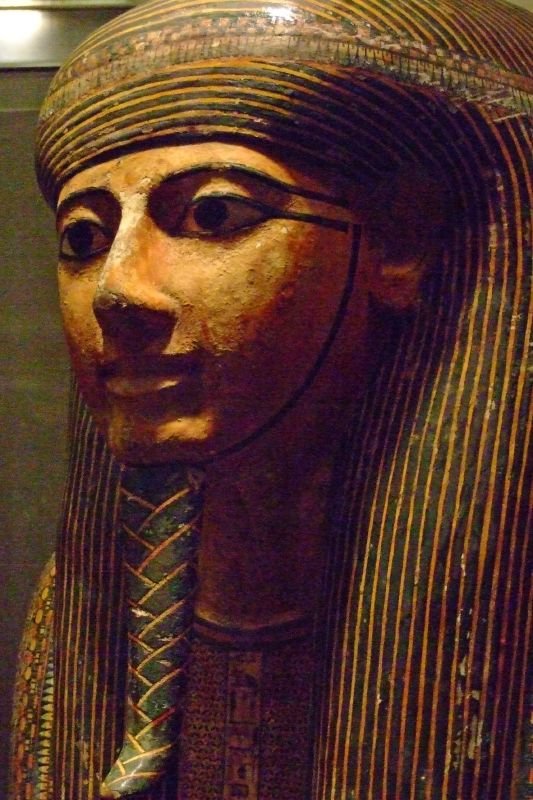
Introduction
Ramesses XI was the last pharaoh of the 20th Dynasty of ancient Egypt. He ruled Egypt from around 1106 BCE to between 1078 and 1068 BCE. The exact end date of his reign is still debated among historians. During his reign, Egypt faced political struggles, economic difficulties, and a weakening of royal authority that marks the end of the New Kingdom in the history of ancient Egypt.
Early Life and Family Background of Ramesses XI
The parentage of Ramesses II remains uncertain among the historians, as the earlier scholars believed that he was the son of Ramesses X and Queen Tyti, but later studies suggest Tyti belonged to the reign of Ramesses III; because of this, the identity of his mother is still unknown. It is believed that Ramesses XI is married to the queen Tentamun, daughter of Nebseny. He may have had a daughter named Duathathor-Henuttawy, who later became the wife of High Priest Pinedjem I, and another possible daughter, also named Tentamun, may have later married King Smendes, the founder of the 21st Dynasty. These family connections are considered possible but not fully proven.
What is Ramses 11 known for?
Ramesses XI is best known as the last pharaoh of Egypt’s 20th Dynasty and the final ruler of the New Kingdom period. His reign marked the end of one of ancient Egypt’s most powerful eras and the beginning of a period of political division known as the Third Intermediate Period.
- He ruled Egypt during a time of major political and economic challenges, when the authority of the pharaoh weakened and powerful officials, especially the high priests of Amun, gained increasing influence.
- His reign is remembered for the conflict between the high priest of Amun and the viceroy of Kush (Nubia), which created instability in Thebes, the ancient Luxor. He is also known for the Whm Mswt (“Renewal” or “Renaissance”) period that he introduced in an attempt to restore order and stability after years of unrest.
- Although he did not leave behind famous monuments like Ramesses II, Ramesses XI remains historically important because his reign represents the transition from the New Kingdom to the Third Intermediate Period.
Decline of New Kingdom in Egyptian History
It happened during the reign of Ramesses XI, as under his rule the country faced internal struggles between powerful officials, especially the High Priest of Amun and the Viceroy of Nubia. With that, the group of Libyan raiders attacked areas around western Thebes, and many people sought protection inside the fortified temple complex of Medinet Habu, built by Ramesses III. This has made the position of the High Priest of Amun unstable, and at one point, High Priest Amenhotep was removed from office for several months, causing further problems in Theban society.
After this, Thebes fell into chaos, which made law and order weakened, and tomb robberies became common, even reaching the royal tombs in the Valley of the Kings; here the gangs of robbers have looted many funerary temples and burial sites. The Viceroy of Kush, Pinehasy, briefly gained control of the Theban region but later rebelled against Ramesses XI.
Pharaoh Ramesses XI ruled for approximately 27 years, but by the end of his reign, Egypt was no longer united under one strong central authority, and finally, after his death, ancient Egypt was split into two separate regions, which leads to the beginning of new ruling families: one is the 21st Dynasty in Lower Egypt, and another is the High Priests of Amun’s rule in Upper Egypt.
Are there any carvings that mention Ramesses XI?
The tomb KV4 in the Valley of the Kings contains incomplete wall decorations, giving visitors and historians a glimpse into how ancient Egyptian tomb artwork was planned and created. The first corridor contains red-ink sketches drawn on plaster, showing Ramesses XI together with various Egyptian deities.
Additional inscriptions and relief fragments bearing Rameses XI’s name and royal cartouches have been found at the Temple of Khonsu within the Karnak temple complex in Luxor that you can explore during the Dahabiya Nile cruise journey in Egypt.
Although Ramesses XI left relatively fewer carvings on the monuments compared with earlier pharaohs, these are two major surviving carvings and his unfinished tomb that provide evidence of his reign.
Where was Ramses XI buried?
Ramesses XI’s intended tomb was KV4 in the Valley of the Kings, which was unfinished, and it reflects the decline of the royal power during the final years of the New Kingdom. The mummy was lost and not discovered by the archaeologists; only a tomb in the Valley of the Kings, which was in process for him, was found by them.
FAQs
Can visitors explore the KV4?
No, the visitors cannot explore KV4 in the Valley of the Kings, as it was closed to the general public due to its fragile structure, but the tourists can explore the alternative open tombs like KV2, which belongs to Ramesses IV, and KV11 of Ramesses III is available with the general admission tickets.
Did Ramses 11 have red hair?
There are no such records that say Ramesses XI had red hair, but the pharaoh Ramesses II had red hair, which has been analyzed during the studies on his mummy. Many people confuse them. They are different pharaohs and ruled at different times of the New Kingdom in Egypt.
When did Ramesses XI die?
It is believed that Ramesses XI died around 1077 BC, after ruling Egypt for nearly three decades. His death marked the end of the 20th Dynasty and the New Kingdom period, leading Egypt into a new era known as the Third Intermediate Period.
Do Rameses XI and Ramesses II have any connection?
Yes, Ramesses XI and Ramesses II were connected through the royal dynasty, but they were not father and son. Ramesses II ruled during the 19th Dynasty, around 1279–1213 BCE, and Ramesses XI ruled much later, during the 20th Dynasty, around 1106–1077 BCE. They were separated by several generations, which is roughly about 130 years. The name “Ramesses” was a royal name used by multiple pharaohs and did not mean that they were necessarily close relatives.