


What is the story of the Kom Ombo temple?
Table of Content
-
Introduction
-
Is the Kom Ombo temple worth visiting?
-
History—Kom Ombo Temple
-
How long to spend at Kom Ombo temple?
-
What is inside the Kom Ombo Temple?
-
Facts—Kom Ombo Temple
-
How was the Kom Ombo temple at night?
-
What is the Kom Ombo temple entrance fee?
-
Conclusion
Introduction
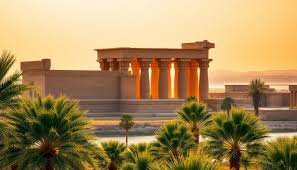
Kom Ombo is one of the religious historical marvels situated on the banks of the River Nile. In ancient times, the temple of Kom Ombo was built during the Ptolemaic period, around 180–47 BCE.
This unique temple was dedicated to two gods with opposing powers:
Sobek—the crocodile god, representing strength, fertility, and protection
Haroeris (Horus the Elder)—the falcon-headed god of kingship and order
The Ancient Egyptians believed life needed balance between destruction and protection, which is why both gods were worshipped together. The temple’s design reflects this balance, with two entrances, two sanctuaries, and duplicated halls.
The temple is located on the east bank of the Nile; in ancient times it came under Upper Egypt. This temple is unique because two different gods representing different energies are worshipped here at the one place. Nowadays it is popular among the passengers on the Dahabiya Nile Cruise from Aswan to Luxor, as Kom Ombo is one of the major stops in the itineraries. The temple is famous for its unique symmetry, crocodile worship, and medical carvings.
Is the Kom Ombo temple worth visiting?
Yes, many travelers have mentioned their experiences after the Egypt tour; the unique mummification in the Crocodile Museum makes it even more interesting and fascinating for a visit. It offers a different experience compared to sites in Karnak and Luxor.
The Kom Ombo Temple is ideal for travelers interested in ancient medicine, mythology, and symbolism. There are also great photography spots and places, especially during sunset, as the temple is situated between natural landscapes.
History—Kom Ombo Temple
It was built mainly under Ptolemy VI and later expanded by Roman emperors; many ancient carvings are proof that it represents a blend of Egyptian and Roman architecture. The temple served both religious and healing purposes and was connected to the Nile by a canal, allowing priests and worshippers easy access. Over time, floods, erosion, and stone reuse damaged parts of the structure, but after discovery and preservation by world heritage authorities, they contributed to its maintenance for decades. Today, it stands partially ruined but still impressive.
How long to spend at Kom Ombo temple?
Around 45 minutes to 1 hour is enough for most visitors. If you visit the Crocodile Museum and read inscriptions carefully, then it may take 1.5 hours. It’s a perfect short stop during a Dahabiya Nile Cruise in Egypt. There are usually minimal crowds, making exploration relaxed and calm. Mostly the temple is visited during the day, while you are on an itinerary.
What is inside the Kom Ombo Temple?
- Twin Entrances: Each side of the ancient marvel is dedicated to one god.
- Hypostyle Hall: Columns have detailed carvings of rituals and offerings practiced during the Ptolemaic age.
- Inner Sanctuaries: There are also separate shrines for Sobek and Haroeris.
- Medical Reliefs: the images on the walls are believed to represent ancient medical tools and procedures.
- Nilometer: Travelers can also see the ancient instrument used to measure Nile flood levels for agriculture planning.
- Crocodile Museum: A unique but small fascinating museum is also there, showcasing preserved crocodile mummies.
Facts—Kom Ombo Temple
- This is the only double temple in Egypt that worships two different gods.
- The architecture of the temple is perfectly symmetrical along its central axis.
- Sobek was worshipped here because crocodiles were common in this particular region of the Nile.
- The nearby Crocodile Museum displays mummified crocodiles that captivate the traveler’s attention.
- Some carvings resemble ancient surgical instruments, making it famous among historians.
- The temple walls have carvings that show one of the earliest known calendars from ancient times.
How was the Kom Ombo temple at night?
The temple looks dramatic and mystical at night when illuminated. Lighting beautifully highlights carvings and columns that are placed by the tourism of Egypt to make historical sites a little more magical and fascinating. Night visits are often part of luxury Dahabiya Nile Cruise schedules. The quiet, cool air and Nile waters enhance the spiritual atmosphere and overall exploration journey.
What is the Kom Ombo temple entrance fee?
Approximately, the entrance fee for foreign tourists is around 200–300 Egyptian Pounds (EGP) per person. The Crocodile Museum is usually included in the ticket. Prices may change, so it’s best to check locally or with your tour operator. If you are taking a boutique dahabiya in Egypt itinerary, then all the entrance fees are included in the packages.
Conclusion
The best time to visit Kom Ombo temple can be the early morning or late afternoon for cooler temperatures. Sunset and night visits offer the best visual experience. Wear comfortable walking shoes; stone floors can be uneven, and it is advised to carry water, especially during summer months. Kom Ombo Temple stands out for its dual dedication, symbolic balance, and riverside charm. It offers insight into ancient Egyptian beliefs about health, nature, and divine harmony.
Other Useful Links:
Why are private river yachts on the Nile the best for meditation?