


The Valley of the Kings, in the city of Luxor, is a major shore excursion for the passengers of Dahabiya cruises in Egypt. Many travelers, especially the history lovers, really want to know more about its history, architecture, what makes it special, and why it matters in Egyptian history. As travel agents, we have experienced travel guides that assist the explorer during their cruising itineraries.
So, travelers on Nile River cruise dahabiya around the world ask some questions, so through this informational content we are providing you an insight about a historically famous burial place in Egypt, which is known as the Valley of Kings in today’s time.
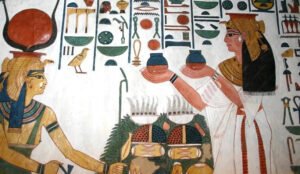
Why is the valley also called the Eternal City of Pharaohs?
Hidden deep within the golden cliffs of Luxor’s western desert in Egypt lies one of the most fascinating burial grounds of the early civilizations of human history. The Valley of the Kings, this ancient Theban necropolis, was not built for ordinary people but for Egypt’s greatest rulers’ souls, which would continue for them. It is believed that they also have a journey into the afterlife. Even today, it remains one of the world’s most mysterious and powerful archaeological sites.
What is the Valley of the Kings?
The Valley of the Kings is an ancient burial site where Egypt’s greatest pharaohs (god-like figures) were buried during the New Kingdom period (around 1539–1070 BCE). Instead of building large monuments called pyramids, rulers began carving their tombs deep into the desert rock to protect them from tomb robbers or invaders.
It is located on the west bank of the Nile near modern-day Luxor, which the ancient Egyptians considered the land of the dead, as the sun sets in the west. So, this is one of the major reasons why that area is being chosen as the place for tombs and burials.
Learn More: Valley of the Kings: Is It Worth Visiting, and Why Is It So Special?
List of pharaohs’ Egyptian tombs in the Valley of the Kings.
Thutmose I: One of the earliest kings to choose the Valley of the Kings for burial and also seen as the one who set the tradition of hiding royal Egyptian tombs inside the mountains for their protection.
Amenhotep II: He is the son of Thutmose III. He is famous for his athletic strength and powerful kingship, and during the research, his mummy was later found inside the Valley of the Kings in his tomb.
Amenhotep III: Ruled Egypt during a golden age of wealth and art, which is depicted by the tomb. His burial, or royal tomb, emphasized luxury, symbolism, and divine kingship in the Middle Egyptian civilization.
Tutankhamun: He was the most famous pharaoh of the valley. His tomb was discovered almost intact in 1922. The treasures from his burial revealed priceless insight into the royal life of ancient Egypt and their cultures.
Ramses I: He is the founder of the powerful 19th Dynasty. His reign was short, but his burial began a strong royal line that then continued for years to come.
Seti I: one of the famous pharaohs and the father of Ramses II. His tomb is considered one of the most beautiful in the entire valley. The royal burial monument is known for detailed wall art and spiritual texts around the tomb’s walls.
Ramses II (Ramses the Great): One of Egypt’s longest-ruling and most famous kings. Also the builder of many temples across Egypt, he was originally buried in the valley; later, his mummy was moved for protection from damage and invaders.
Ramses III: He is considered the last great pharaoh of Egypt, and he also defended Egypt from foreign invasions. His tomb is one of the largest in the Valley of the Kings, and many explorers visit and walk around the tomb.
Ramses XI: He is often considered the last ruler of the New Kingdom. His burial symbolizes the end of the era when pharaohs dominated Egypt’s power; with that, the culture of royal tombs in Egypt also starts declining. We are also placing some pictures of the Valley of the Kings for better understanding.
What do Valley of the Kings tours include?
On the shore excursion of a Swan Dahabiya cruise, a travel guide will assist the travelers on their exploration of the Valley of Kings. They will narrate facts, stories, and the significance of the place with how it shaped Egyptian history. The tour guides will also assist you and guide you the way of the tombs mentioned above.
Faqs
How many tombs have been discovered in the Valley of the Kings?
So far, archaeologists have identified over 60 tombs in the Valley of the Kings. Some are small and unfinished, while others are large and richly decorated. New discoveries are still possible because parts of the valley remain unexplored.
Can visitors go inside the Valley of the Kings tombs today?
Yes, tourists are allowed to enter several tombs in the Valley of the Kings. However, not all tombs are open at the same time. Authorities keep the access limited to protect the wall paintings and prevent damage from humidity, light, and large crowds.
What makes Tutankhamun’s tomb different from the others?
Tutankhamun’s tomb is special because it was found almost completely intact. Unlike most other tombs that were robbed in ancient times, his still contained furniture, jewelry, chariots, statues, and his famous golden mask, giving historians a rare, detailed glimpse into royal life.
Why are the tomb paintings so well preserved?
The paintings survived because the tombs were sealed for thousands of years, protecting them from sunlight, rain, and wind. The dry desert climate also helped preserve the colors, while the mineral-based paints used by artists were naturally long-lasting.
What symbols are commonly seen on the tomb walls?
Common symbols include the ankh (symbol of life), the scarab beetle (rebirth), the Eye of Horus (protection), the feather of Ma’at (truth and balance), and images of gods guiding the soul into the afterlife. These were meant to protect the pharaoh and ensure a comfortable eternal life.