


The Role of an Egyptologist on a Dahabiya Cruise
Table of Contents
-
Introduction
-
More Than a Tour Guide: Understanding the Egyptologist’s Role
-
How an Egyptologist Prepares You Before Each Excursion
-
Bringing Ancient Temples to Life During Guided Visits
-
Explaining the Stories Hidden Within Hieroglyphics
-
Connecting Ancient Egypt With Modern Egyptian Culture
-
Answering the Questions Guidebooks Cannot
-
Helping Travelers Appreciate Lesser-Known Nile Sites
-
The Educational Experience Onboard Between Destinations
-
How does an Egyptologist enhance every stage of a dahabiya cruise?
-
Why does an expert Egyptologist make luxury travel more meaningful?
-
Tips for Making the Most of Your Time With an Egyptologist
-
FAQs
-
Conclusion
Introduction
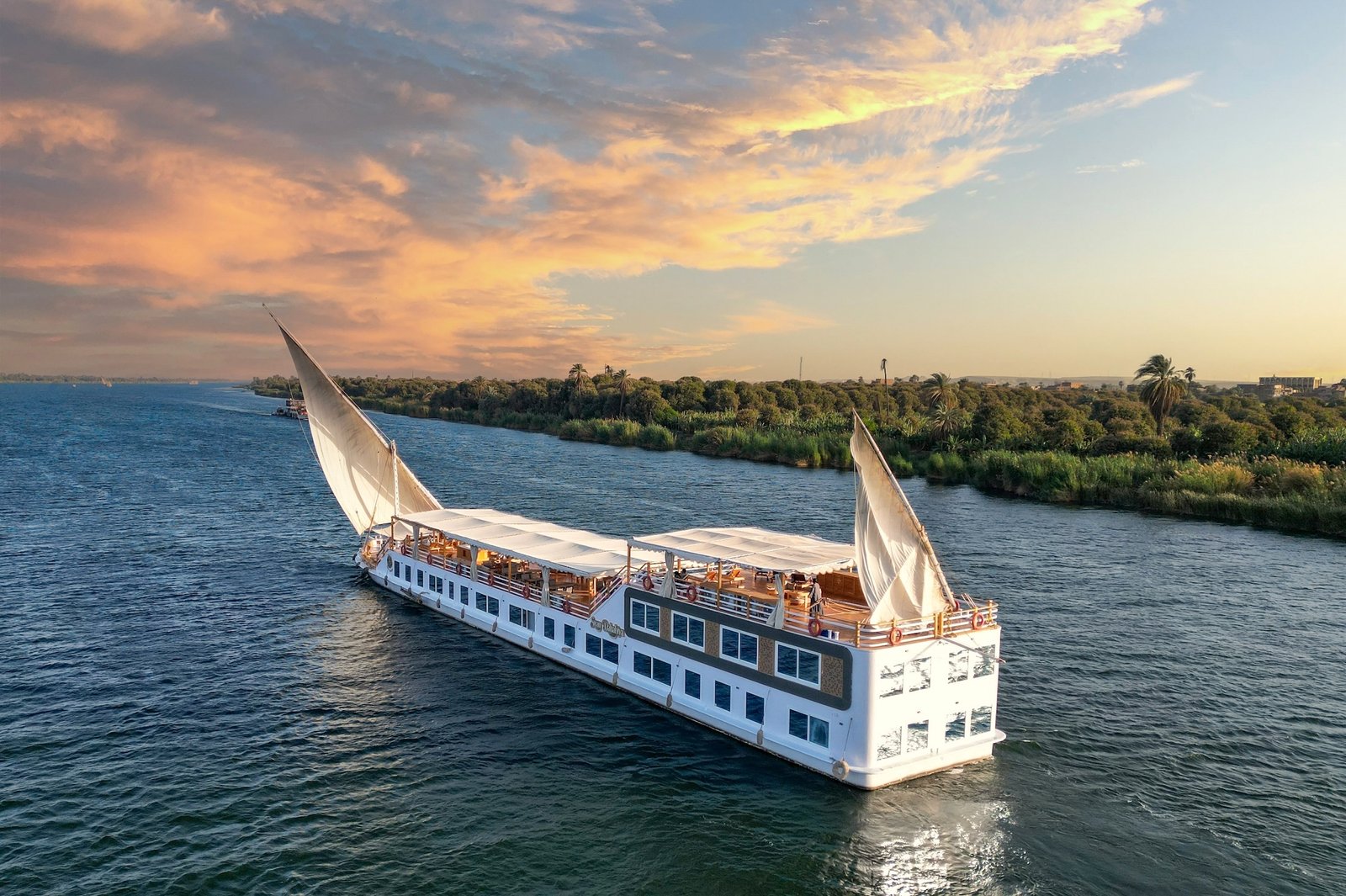
Dahabiya cruises in Egypt are a slower and more immersive way of exploring the Nile; onboard you encounter the beautiful scenery and enjoy the luxurious sailing while exchanging the cities that have kept the history of Egypt preserved through historical monuments. A lot of times travelers ask that Egyptologists assist on board. What are their roles, and how do they contribute to the exploration? Well, the onboard Egyptologist transforms each stop into a meaningful historical journey; their expert interpretation helps travelers understand the ancient monuments, temples, local traditions, and Egyptian civilization.
Through this detailed blog you are going to understand the role of an Egyptologist in advance while sailing on a Dahabiya and how they turn a river journey into a memorable historical exploration that you will remember long even after completing the cruising.
More Than a Tour Guide: Understanding the Egyptologist’s Role
The Egyptologists are the travel experts that have keen knowledge about the culture, history, origin, and importance of particular tourist spots, like an individual who is a qualified travel guide and has expertise in Egyptian civilization and culture that is known as an Egyptologist; that’s why they are the historical interpreters rather than simply guides.
An Egyptologist is the one that connects archaeology with captivating storytelling and explains religious beliefs, politics, architecture, and daily life around the historical monument, which helps travelers understand timelines spanning thousands of years in simple explanations. They also share insights beyond what information boards provide and make ancient civilizations easier to understand during a Dahabiya journey in Egypt.
How an Egyptologist Prepares You Before Each Excursion:
Before arriving at a historical spot, the Egyptologist will first brief you about the historical background associated with that ancient building. Introduces important rulers connected to the site It explains why the monument was built and also tells you about how, by whom, and in how much time the monument was constructed and what their role was in ancient Egyptian civilization.
Highlights symbols that visitors should notice, also shares cultural etiquette, and helps guests know what to expect. Creates anticipation before each destination, which makes the journey inviting and curious and transforms your slow Dahabiya Nile cruise into interesting sailings.
Bringing Ancient Temples to Life During Guided Visits
The ancient Egyptian monuments like Edfu Temple, Kom Ombo Temple, and Karnak Temple are the open-air historical landscapes where the walls of the temples narrate the tales of pharaohs, religious beliefs, and their greatness. As an international tourist, you may be unable to understand the carvings on temple walls and inside the sanctuaries. Here Egyptologists help in reading layouts and also explain carvings and inscriptions.
Also the tourists Understands statues and sacred spaces and a experienced travel guide helps you Identifying different gods and goddesses gives an easier explanation of the ceremonial areas and shows you the marvel of the architectural innovations of the Egyptians; overall they help guests visualize how temples functioned thousands of years ago.
Explaining the Stories Hidden Within Hieroglyphics
Do you know what ☥ is? This is an Egyptian hieroglyph that you will easily see at monuments while exploring temples and tombs in Egypt; it is called the “ankh,” which is known as the symbol of life. That’s how, during a luxury Dahabiya Nile cruise journey, the Egyptologist will explain to you common hieroglyphic signs and tell you the difference between symbols and decorative artwork. They will help you in reading royal names inside cartouches, religious texts, historical records, and temple inscriptions at museums and at temple walls.
While you understand the historical purpose of the hieroglyphics, you will also understand why hieroglyphs remain important today in modern Egypt. At hotel gates, on menus, or somewhere at tourist locations, you will see the Ankh, a common symbol that depicts the history of Egyptian civilization, and today it is treated as a souvenir or a decorative item inspired by Egyptian culture.
Connecting Ancient Egypt With Modern Egyptian Culture
The onboard Egyptologist at Dahabiya will also create a bridge between past and present while narrating the importance of the Nile. They will explain to you how the ancient traditions are influencing modern customs like farming along the Nile, village life, and local crafts, especially Nubian ones that tourists will see near Aswan, through traditional foods and flavors that you try on board. It also tells you about the festivals like the Abu Simbel Sun Festival, which is still celebrated twice a year, and family traditions, which are influenced by the Egyptian culture.
Answering the Questions Guidebooks Cannot
Egypt has a complex history and culture; that is why it is not necessary that you find answers to every curiosity in the guidebook. Below are the benefits that you can get from an Egyptologist during a Dahabiya Nile cruise from Aswan to Luxor.
Personalized discussions: Unlike printed guidebooks, an Egyptologist adapts explanations to individual interests, ensuring every traveler receives insights that match their curiosity, knowledge level, and travel goals.
Unexpected traveler questions: Spontaneous questions often lead to fascinating discussions about daily life, royal families, religious customs, construction methods, or mysteries that standard travel resources rarely explain.
Archaeological debates: An Egyptologist introduces different scholarly viewpoints, explaining how experts interpret discoveries differently and why certain historical conclusions continue to evolve with ongoing research.
Historical myths versus evidence: Many popular stories surrounding ancient Egypt are clarified by separating legendary tales from archaeological evidence, helping visitors better understand documented historical facts and misconceptions.
Current preservation efforts: Visitors gain valuable insight into restoration projects, conservation challenges, environmental impacts, and the collaborative work protecting Egypt’s ancient monuments for future generations to experience.
Recommends books and museums for continued learning: Before the journey ends, an Egyptologist frequently recommends trusted books, museums, documentaries, and educational resources for travelers wishing to deepen their understanding of ancient Egypt.
Helping Travelers Appreciate Lesser-Known Nile Sites
On your Dahabiya Nile cruise in Egypt there are a few lesser-known spots like El-Kab tombs or Gebel el-Silsila, which are usually missed by the itineraries of the large cruises. So, when you are sailing around them during the journey, the Egyptologist provides you insights about quiet temples, ancient quarries, island ruins, tombs, and local archaeological locations with their historical context and how they are related to Egyptian civilization.
The Educational Experience Onboard Between Destinations
The Egyptologist on the Dahabiya turns the sailing journey into an educational experience in numerous ways, which include the following:
- Informal lectures.
- Q&A sessions.
- Map discussions.
- Ancient trade routes.
- Egyptian dynasties.
- Archaeological discoveries.
- Daily conversations on deck.
- Sharing historical photographs or reference materials.
During the evening on the decks, these interactive activities now just become a way to pass time, but you get to learn about the history of Egyptian civilization in depth from the experts.
How does an Egyptologist enhance every stage of a dahabiya cruise?
We are explaining this with a simple table for better understanding of our readers.
| Cruise Stage | Egyptologist’s Contribution | Guest Benefit |
| Before arrival | Historical briefing | Better understanding before visiting |
| Temple visits | Live interpretation | Richer sightseeing experience |
| Museum stops | Artifact explanations | Easier understanding of exhibits |
| Village visits | Cultural insights | Stronger connection with local communities |
| During sailing | Educational and engaging talks | Continuous learning between destinations |
| Question sessions | Personalized answers | Deeper engagement with Egyptian history |
| Photography stops | Historical context explains angles for better capturing of the view. | More meaningful travel memories |
| End of journey | Historical recap | Complete understanding of the pharaonic history, which lies on the riverbanks between Aswan and Luxor. |
Why does an expert Egyptologist make luxury travel more meaningful?
In the below-listed points, the normal Nile sailing journey turns more meaningful and completely worthy.
- Luxury extends beyond accommodations.
- Knowledge adds lasting value.
- Better understanding creates stronger memories.
- Guests leave with more than photographs.
- Every destination gains historical significance.
- Travelers experience Egypt through expert interpretation rather than surface-level sightseeing.
Tips for Making the Most of Your Time With an Egyptologist
- Prepare questions before excursions.
- Carry a notebook.
- Observe carvings closely.
- Attend onboard talks.
- Compare different temple styles.
- Ask about recent archaeological discoveries.
- Take photographs after understanding the history.
- Respect heritage sites and preservation rules.
FAQs
Can I learn about the Egyptologist on board before booking a dahabiya cruise?
Yes, as many Dahabiyas have their own Egyptologist that assists the guests during the journey, operators share their details. If you are unable to find them while booking, you can request the Egyptologist’s details from your Dahabiya booking partner.
Are onboard lectures included in the Dahabiya cruise experience?
Many luxury Dahabiya cruises include informal talks or historical briefings between excursions.
How does a Dahabiya Egyptologist differ from a local site guide?
A Dahabiya Egyptologist usually accompanies guests throughout the voyage, creating a continuous historical narrative, while the local site guides typically focus only on individual attractions without connecting the broader story of ancient Egypt.
Conclusion
An Egyptologist is the most valuable part of a Dahabiya cruise experience, as their contribution turns monuments into stories and ancient ruins into meaningful experiences. So prefer booking the Dahabiyas that include the assistance of Egyptologists throughout the trip for enhanced experiences of sailing over the Nile. If you need to know about whether Swan Dahabiya includes an Egyptologist or not, send us a booking request, and our Dahabiya booking partner will answer your queries and help in drawing clarity on inclusions before you finalize a booking to promote informed travel in Egypt.