


Table of Contents
-
Introduction
-
10 interesting facts about the Nile crocodile
-
Is it safe to swim in the Nile?
-
How are crocodiles related to Egyptian religion?
-
Why are crocodiles mummified in the temple of Kom Ombo?
-
Can a hippo beat a Nile crocodile?
-
Can tourists see the crocodiles from the Dahabiya cruises?
-
Is Dahabiya sailing safe from the crocodiles?
-
Conclusion
Introduction
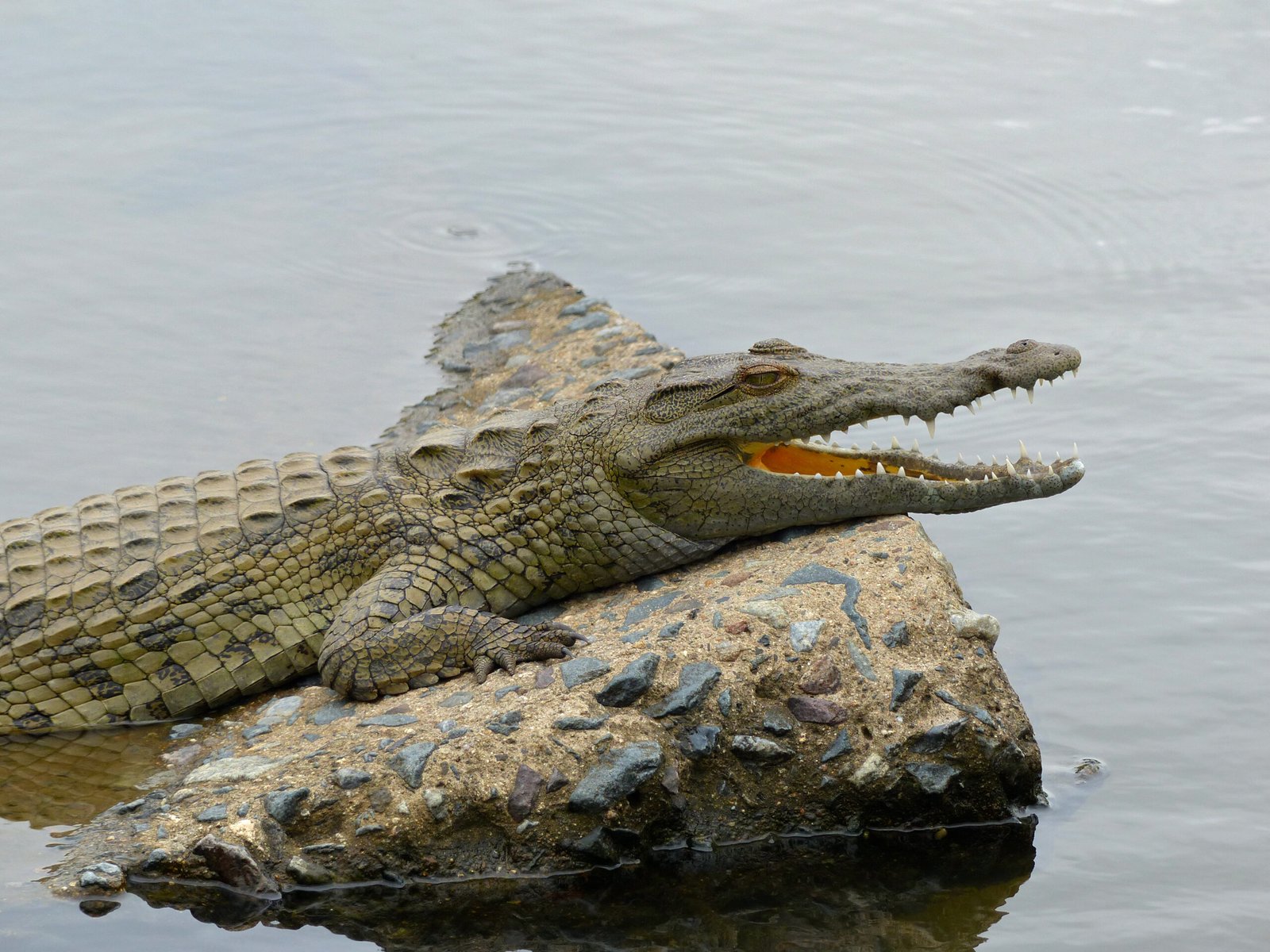
Yes, the Nile has long-snouted crocodiles that still inhabit some parts of the river; they are primarily found in the southern section of the Nile. In Egypt, Lake Nasser, where the river enters from Sudan, is home to the Nile crocodiles. In the northern part of the Nile in Luxor and Cairo, there is less activity from wild crocodiles due to large human settlements and environmental factors.
In this blog, we are here to mention the Nile crocodiles, which are seen as the deadliest species of the mammals in the Nile. Also here, mentioning the crocodiles’ behavior and the cultural importance of Nile crocodiles would help the travelers in understanding the life of mammals in Egypt. Also answering the commonly asked questions about the Kom Ombo temple’s mummified crocodiles and whether tourists can swim in the Nile, answers are mentioned below; do check.
10 interesting facts about the Nile crocodile
- The Nile crocodile is one of the largest reptiles in the world, reaching lengths of up to 5–6 meters, and it is considered the deadliest reptile in Egypt.
- It has one of the strongest bite forces in the animal kingdom; hippopotamuses in the Nile are the only mammals that surpass their bite force.
- These crocodiles can live for 70–100 years in the wild and ideal aquatic conditions; some even live longer.
- They are highly adaptable and can survive in rivers, lakes, and marshes.
- Nile crocodiles are apex predators, feeding on fish, birds, and mammals.
- They exhibit parental care, with females guarding nests and helping hatchlings.
- Crocodiles can remain underwater for up to 30 minutes without breathing.
- Their skin is extremely tough and was historically used for leather, but with modern rules and policies, they are now taken care of by the protective wildlife forces.
- They play a vital ecological role by maintaining balance in aquatic ecosystems.
- Despite their fearsome reputation, attacks on humans are relatively rare in controlled regions, especially near the Nile in Egypt; the hunting of humans is very rare.
Is it safe to swim in the Nile?
Swimming in the Nile is not an activity that is commonly performed, but one can swim in the Nile depending upon the location and conditions; swimming near the cities like Cairo and Luxor does not have any danger of crocodiles, as they do not exist there. However, water pollution and strong currents can still pose risks during the swim. Preferred only with experienced Nile swimmers.
How are crocodiles related to Egyptian religion?
Crocodiles in Egypt have deep religious significance in ancient Egypt; they are associated with the crocodile-headed god Sobek. He symbolizes the Nile’s protection, depth, danger, and unpredictability. In ancient times, the Egyptians had respected crocodiles and viewed them as controllers of the Nile and protectors with divine power. The Kom Ombo dual temple, which tourists on the Dahabiya Nile cruises explore, is also the god Horus the elder, the sky deity, and God Sobek, also known as the Crocodile god.
Why are crocodiles mummified in the temple of Kom Ombo?
The temple located on the shore of the Nile at Kom Ombo is a major historical site that is visited by tourists during the sailing journey between Aswan and Luxor and has something unique. A museum, the Mummified Crocodile Museum, the temple is a dual temple that is dedicated to Horus the elder and god Sobek.
These mummified crocodiles in the museum are the offerings to the god Sobek, symbolizing their divine power and role in the ancient Egyptian inscriptions and representing the connection of the sacred animals with the deities in the ancient Egyptian religion. The best Dahabiya Nile cruise passengers in the Kom Ombo temple can also see a Sobek god statue; do not miss it on the itinerary. It is a must-visit place in Egypt.
Can a hippo beat a Nile crocodile?
The Nile hippopotamus is large in size; it is the semi-aquatic mammal and one of the most dangerous mammals present in the Nile. Adult hippopotamuses are much superior in size to the crocodiles, also in terms of aggression, strength, and biting frequency. Smaller crocodiles are easy targets of the Nile hippopotamus; their bite frequency of massive tusks is around 2,000 PSI bite force, which can easily break a crocodile’s armor. So, the hippos in the Nile can beat a crocodile; on average, around 9 out of 10 hippopotamuses win against the crocodile.
Can tourists see the crocodiles from the Dahabiya cruises?
No, the Nile dahabiya cruises generally sail between Aswan and Luxor; this area is considered safe from the Nile crocodiles. The massive Nile crocodiles are only present in the southern part of the Nile, also because of the Aswan High Dam; they do not come forward from Lake Nasser.
Is Dahabiya sailing safe from the crocodiles?
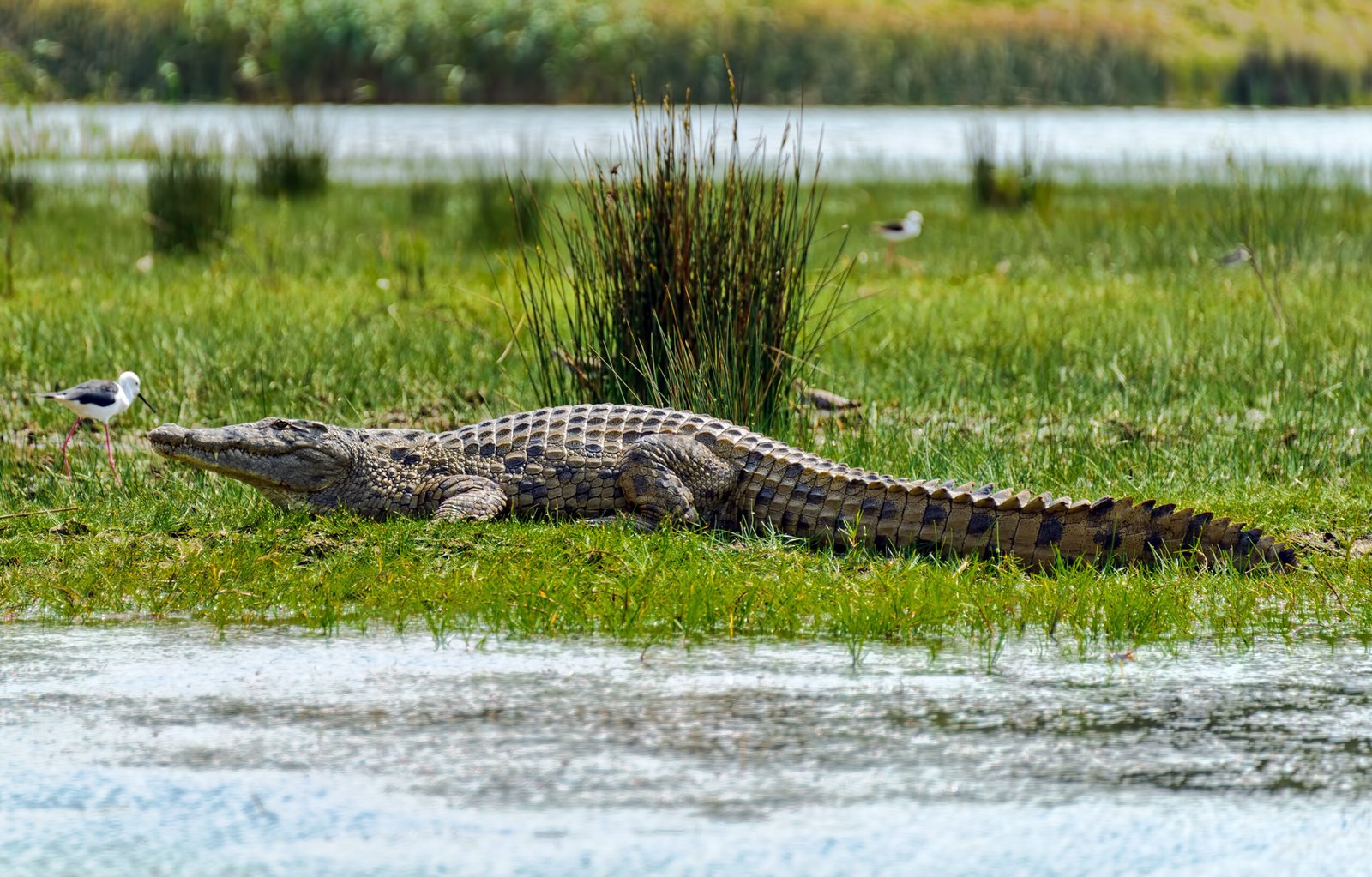
Yes, Nile Dahabiya sailing is considered safe from Nile crocodiles, especially for Dahabiyas sailing between Luxor and Aswan. With the construction of the high dam of Aswan, it then started acting as a physical barrier that limited the crocodiles’ activities only to Lake Nasser in Egypt. There one can spot the Nile crocodiles in Egypt, where the mainstream Nile River cruise dahabiya does not sail.
Conclusion
The Nile crocodiles are an important part of the Nile’s ecosystem and Egyptian cultural heritage; their presence in Egypt today may be limited due to several factors like dam construction and large human settlements, but they were once treated as sacred animals and considered the protector and controller of the Nile. Understanding Nile crocodiles can help travelers know it is safe to sail on the Nile in Egypt, and visiting the Kom Ombo temple is the best way to appreciate the cultural significance of Nile crocodiles in Egypt.
Other Useful Links
Ancient Egypt Drawings: A Visual Language of Gods and Kings