


Table of Contents
-
Introduction
-
Why does the Nile Valley attract so many birds?
-
18 Birds to Look for Between Aswan and Luxor
-
Where to watch birds on the Aswan-Luxor route?
-
Is December a good time for birdwatching on the Dahabiya cruising journey?
-
How to birdwatch from a Dahabiya deck?
-
Can you see birds during the temple excursions?
-
Conclusion
Introduction
Cruising over the Nile generally consists of visiting temples and ancient cities, spending time on board, or enjoying the facilities of a floating hotel, but look beyond the riverbanks and you will find another side of Upper Egypt. It is a narrow green corridor filled with birds; from your Dahabiya deck you may spot kingfishers hovering over the water, herons standing in the grass, egrets eating in the water, and eagles circling over the fields. So, for travelers interested in birdwatching in Egypt, then they must take a cruise journey between Aswan and Luxor, offering a relaxed way to observe birds without spending every day on a dedicated birding tour.
The Nile River passes through different habitats, including islands, reedbeds, cultivated fields, canals, and open sandbanks; all these attract different bird species. On your journey you may get to see the documented Egyptian geese, sacred ibises, Nile Valley sunbirds, greater painted-snipes, pelicans, egrets, and pied kingfishers along the route. So, through this blog, learn about birds along the Nile and when and how you can spot them while cruising. If you are attracted towards birds and love capturing them, then this blog is surely for you.
Why does the Nile Valley attract so many birds?
The Nile Valley creates a unique atmosphere of water and vegetation through largely dry landscapes, and the birds use this habitat for food, shelter, nesting, and rest during the migration. The birds of the Nile Valley include a resident species that the passengers from a Dahabiya deck can spot during their sailing journey throughout the year, and a few migratory bird species are spotted during the cooler months, as the winter is particularly interesting for waterbirds, ducks, and waders. Around Aswan, birdwatchers may see the species associated with southern Egypt, including the Nile Valley Sunbird, African Swamphen, and Senegal Thick-knee, as well as their vessel, sail towards the Nubian atmosphere.
Well, you need to keep in mind that a cruise does not guarantee you the bird’s sightseeing, as the birds can be distant or can be hidden in vegetation. Still keeping the binoculars close and spending time on a deck can turn ordinary sailing hours into rewarding birthwatching opportunities.
18 Birds to Look for Between Aswan and Luxor
The table given below is a practical spotting guide and not a guaranteed cruise checklist. The “most likely month” column indicates a useful month to plan around based on seasonal presence and published birding observations. Also, the exact sightings depend on weather, water levels, habitat, and the route. This is just what was documented, and it’s promised that you will see them in that month during a Dahabiya Nile cruise, but if you are taking a specialized bird-watching tour in Aswan, then you may see most of the bird species.
Let’s explore the 18 birds that you can spot between Aswan and Luxor at different times of the year.
| Bird | Where to look along the river | Best viewing period | |
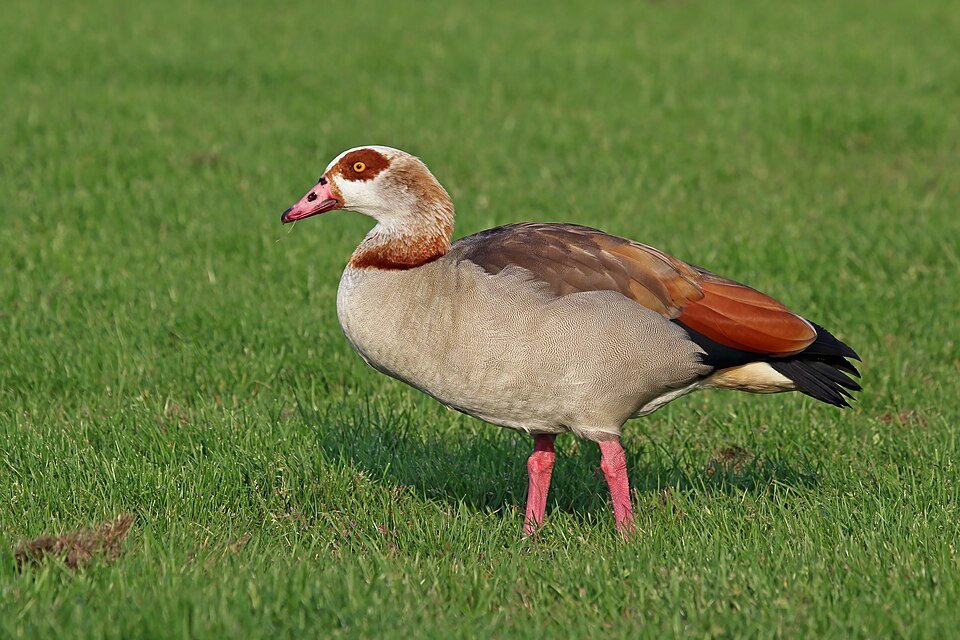
| 1. | Egyptian Goose | Riverbanks, islands, and open fields | Year-round |
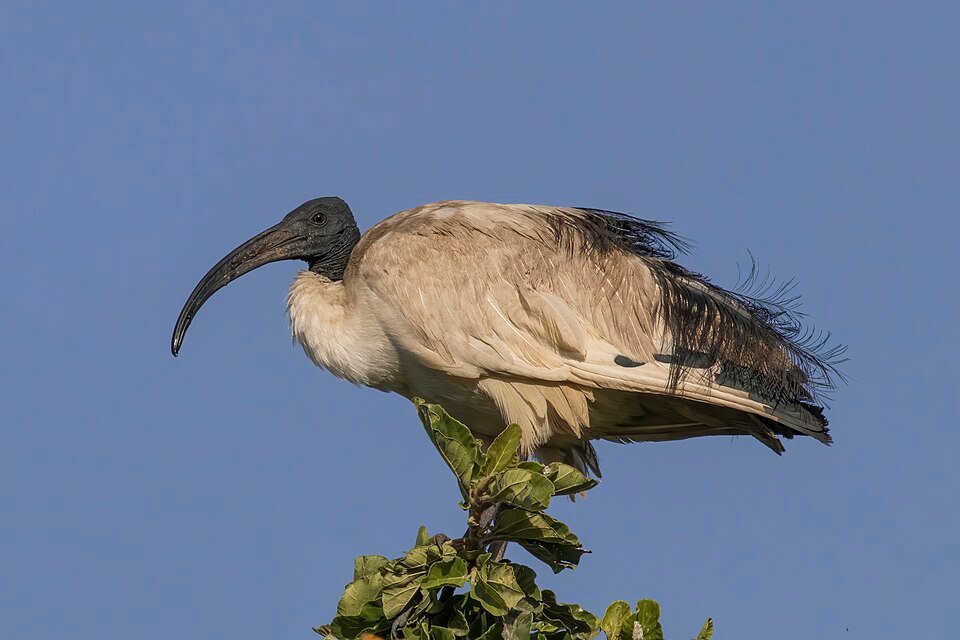
| 2. | Sacred Ibis | Shallow water, muddy edges, and cultivated land | Year-round |
| 3. | Nile Valley Sunbird | Flowering shrubs and gardens, especially around Aswan | Year-round; easier to look for when shrubs are flowering |
| 4. | Greater Painted-snipe | Quiet wetlands and dense reed edges around Aswan | Winter: December–February |
| 5. | Great White Pelican | Open water, sandbars, and wider river stretches | Winter: December–February |
| 6. | Pink-backed Pelican | River channels and islands, particularly around southern Egypt | Winter: December–February |
| 7. | Little Egret | You may spot them near shallow canals and river edges. | Year-round |
| 8. | Cattle Egret | Grazing fields and farmland near the river | Year-round |
| 9. | Pied Kingfisher | Mostly spotted at perches overlooking the water; often hovers before diving | Year-round |
| 10. | Black Kite | Above the river and fields | Year-round; watch for migrating raptors in winter |
| 11. | Marsh Harrier | Wetland edges and reedbeds, particularly around Aswan | Winter: December–February |
| 12. | Northern Shoveler | Calm water and wetlands around Aswan | Winter: December–February |
| 13. | Garganey | Shallow wetlands and sheltered water | Winter and migration periods |
| 14. | Common Snipe | Can be seen near muddy margins and dense wet vegetation | Winter: December–February |
| 15. | Spotted Redshank | Shallow water and exposed muddy edges | Winter: December–February |
| 16. | Black-winged Stilt | Shallow pools, canals, and open wetland margins | Year-round |
| 17. | African Green Bee-eater | At trees, wires, and open riverbanks, especially around Aswan | Year-round |
| 18. | Senegal Thick-knee | Sandy or gravelly riverbanks and islands around Aswan | Year-round; often easier to detect around dusk |
Where to watch birds on the Aswan-Luxor route?
-
Aswan and the Nile Islands
Well, here tourists not just get a chance to find the bird from the Dahabiya deck, but they can book special bird tours in Aswan on a felucca that takes you to islands for dedicated birthwatching. It does not come as an inclusion; you need to book it separately if you desperately want to capture the bird life around the Nile. The islands and sheltered waterways around Aswan offer a mix of open water, vegetation, and quieter banks where you can look for pied kingfishers, herons, egrets, ducks, and waders. Also, the flowering shrubs may also attract the colorful Nile Valley sunbird that is commonly seen by the tarvelers.
-
Kom Ombo and the Riverbanks
As the boat travels north towards the Kom Ombo, watch the water edges of the cultivated land, as you may see the pied kingfishers hovering above the river before diving for fish. The common birds that you can see at Kom Ombo at different times of the year are the common kestrel, the laughing dove, and the Egyptian nightjar. Also, the temple visit offers you a chance to look up as the Swifts and other birds may pass overhead, while birds near the water continue feeding as visitors explore the site.
-
Edfu and the Reedbeds
Around Edfu, keep an eye on canals, reedbeds, and wet field edges. These habitats can shelter small birds that are easy to miss from a moving boat. Look for warblers, wagtails, bee-eaters, and kingfishers. A useful approach is to scan the same stretch of bank for a few moments rather than trying to identify every bird as the boat passes.
-
Esna and the Approach to Luxor
As your Dahabiya Nile cruise from Aswan to Luxor continues towards Esna, the river remains a good place to look for familiar waterbirds, as egrets, Egyptian geese, and kingfishers may be easier to spot than smaller reed-dwelling species. So, passing through the stretch, keep binoculars ready, especially when the boat slows down or passes quieter banks to see the unique birds in their natural habitat.
Is December a good time for birdwatching on the Dahabiya cruising journey?
Yes, birwatching in December in Egypt can be rewarding because cooler weather brings comfortable conditions for spending time on deck and exploring wetlands. Also, the winter brings migratory waterbirds to parts of Egypt. December is not the only month worth considering. You can also consider the January and February months, as they also offer wintering birds, while the spring may bring active resident birds and seasonal migrants. So, if your main aim is to see a particular species, check recent local sightings before travelling rather than relying only on a general seasonal list. Also, you can check various geographical and wildlife sites having Egyptian data to know more about birdlife in Egypt.
How to birdwatch from a Dahabiya deck?
The advantage here is that you get on a Dahabiya that sails on a slower pace than the Nile cruise, so if you’re focusing with binoculars, it becomes easier, and the Dahabiya also has a quieter atmosphere, which can create a much more suitable space for birdwatching in Egypt over the Nile. Here are a few tips that you can follow to ensure a smooth birdwatching while cruising over the legendary river.
- Carry compact binoculars: They help you identify birds on distant banks without disturbing them.
- Keep a bird list or app ready: Record the species, location, and date while the sighting is fresh.
- Watch the river edges: Birds often feed where shallow water meets mud, reeds, or vegetation.
- Scan trees and wires: Kingfishers and bee-eaters may use exposed perches.
- Choose a quiet viewing spot: Reduce movement and noise when watching birds near the boat.
- Look during slower sailing periods: You may have more time to observe the banks.
- Bring a camera with a zoom lens if you have one: Avoid leaning over railings or disturbing wildlife to get a photograph.
- Ask the guide or crew about sightings: They may know where birds are commonly seen along the route.
In these ways there are chances that you may spot the unique bird species, but we know that you will see every species, but you can see the commonly found bird species and can capture them as well if you have a professional camera with a zoom lens from the decks as well.
Can you see birds during the temple excursions?
Yes, the birdwatching does not need to stop when you leave the boat, so look around the edges of temple grounds, nearby trees, gardens, and open spaces. Birds may be visible while you walk between the entrance and the monument. At Kom Ombo, the river is close enough to make a quick scan worthwhile. At Edfu and Luxor, look for birds in nearby trees and open areas. But remember to keep the main focus on the visit and follow site rules also. Avoid using flash or approaching nesting birds. You can capture them from a distance and follow the instructions of your travel guide.
Conclusion
The stretch between Aswan and Luxor is not only a route through Egypt’s ancient history but also a living river landscape where birds feed, rest, and move between habitats, so it’s possible that you may see the unique bird species. Also, the pleasure of birdwatching on a Dahabiya in Egypt is that it fits naturally into the journey. Swan Dahabiya says that you can enjoy the temples and excursions, then return to the deck and watch the riverbanks pass by; here, keep your binoculars close, take your time, and treat the species list as a guide rather than a promise.