


How Does a Dahabiya Cross the Esna Lock?
Table of Contents
-
Introduction
-
What is Esna Lock?
-
Why Do Dahabiyas Need to Pass Through the Esna Lock?
-
When Does a Dahabiya Cross the Esna Lock?
-
What Should Travelers Know Before Crossing the Esna Lock?
-
Step-by-Step: How a Dahabiya Crosses the Esna Lock
-
How Long Does the Crossing Actually Take?
-
What Can You See While Waiting at Esna Lock?
-
The Cultural Experience Around Esna Lock: A Floating Market Along the Nile
-
Photography Opportunities During the Crossing
-
Tips for Enjoying the Esna Lock Crossing
-
FAQs
-
Conclusion
Introduction
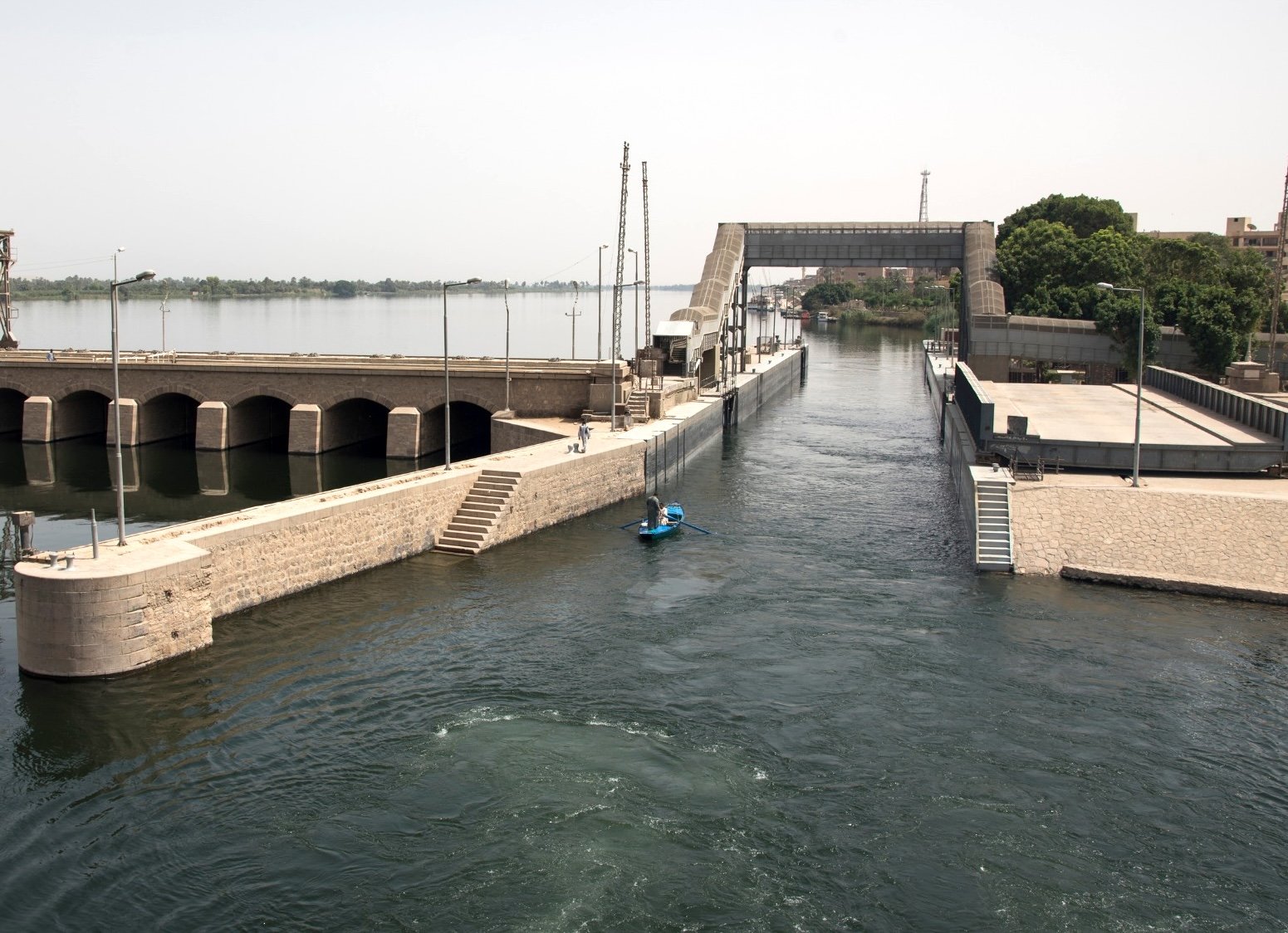
Crossing the Esna Lock is one of the most unique experiences travelers witness during a Dahabiya cruise between Luxor and Aswan. Many travelers wonder, “What exactly is the Esna lock?” Unlike ocean cruises, Nile ships navigate changes in water levels caused by the river’s natural flow with the Nile navigation system, which is the Esna Lock that allows Dahabiyas to safely move between different water levels while continuing their journey along the Nile.
The Dahabiyas are smaller than the large cruises; that’s why the travelers can have a more intimate view of this experience during their sailing journey between Luxor and Aswan. Through this blog, you will understand about the Esna Lock and how the luxury Dahabiya Nile Cruise sails here.
What is Esna Lock?
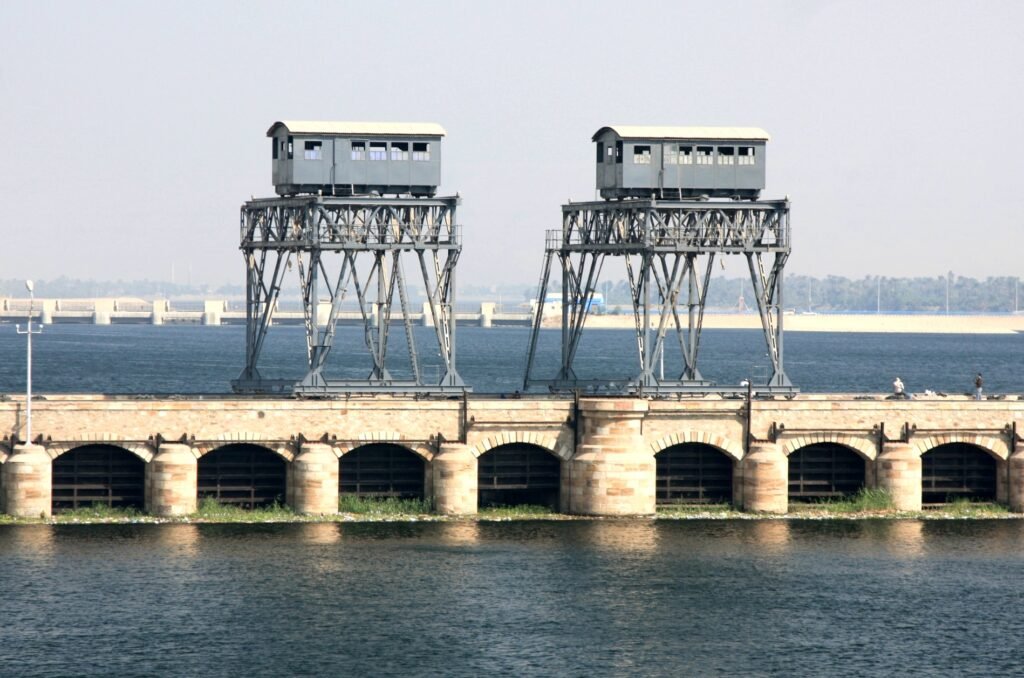
The Esna lock is a navigation structure located near the city of Esna, around 55 kilometers south of Luxor and around 160 km from Aswan, which was created to help vessels continue sailing along the Nile by managing differences in river water levels. This is a lock that works as an elevator for the Nile vessels, allowing them to move from one level of river to another. The process consists of gates that open and close to control the movement of water and vessels.
Originally the Esna lock was constructed between 1906 and 1908, and then years later expansion took place, and the new Esna lock was opened in 1996. This advanced system ensures that large cruises, Dahabaiyas, and yachts can safely continue their route between Luxor and Aswan in upper Egypt. The lock is an important part of modern Nile navigation infrastructure that travelers witness.
Why Do Dahabiyas Need to Pass Through the Esna Lock?
The Nile’s water levels are not the same throughout its entire course; the changes in elevation along the river create the need for controlled passage points. Here comes the role of the Esna Lock that helps in maintaining a navigable waterway for boats traveling between Luxor and Aswan. Without the locks, the vessel would face difficulties in moving through sections where water levels differ; passing through locks allows the boutique-style traditional vessels to continue their journey smoothly while carrying passengers, luggage, and supplies.
When Does a Dahabiya Cross the Esna Lock?
It is not fixed; the timings solely depend on the selected cruise itinerary and sailing schedules, as the crossing may take place during sailing hours depending on the river traffic and operational conditions. Guests should not expect a fixed time because lock schedules can change based on vessel movement and navigation requirements. But the Dahabiya Nile cruise team usually informs the guests when the vessel approaches the Esna Locks and explains to them the whole procedure and time it takes to cross; the guests can witness the lock crossing from the upper decks.
What Should Travelers Know Before Crossing the Esna Lock?
- The crossing does not require any special preparation from guests.
- Travelers can enjoy the experience from the deck or common areas.
- Keep cameras and phones ready if you want to capture the moment.
- Follow crew instructions during the approach and departure.
- Relax and enjoy the unique view of Nile navigation.
- The process is safe and managed by experienced crew members.
Step-by-Step: How a Dahabiya Crosses the Esna Lock
Step 1: Approaching the Lock
The Dahbaiya approaches the lock area while following the navigation instructions provided by the river authorities, and the crew starts to prepare the vessel before entering the lock chamber; passengers can often observe the preparation process from the decks. This creates an opportunity to see how traditional Nile cruising operates behind the scenes, and they can witness the real river sailing, which sets them apart from the ocean cruise experiences.
Step 2: Entering the Lock Chamber
As your traditional sailing vessel approaches the Esna Lock, the crew follows navigation instructions to enter the enclosed lock chamber safely. Once the vessel is positioned inside, the gates behind the boat get closed to create a controlled water area; passengers can usually watch this process from the deck and can observe how a vessel is carefully guided into place.
Step 3: Raising or Lowering the water level
The lock changes the water level inside the chamber to match the section of the Nile on the opposite side, like if the Dahabiya Nile cruise in Egypt is sailing towards the south of Aswan, then it gets filled with gallons of water, and in case the dahabiyas head to the north of Luxor, the excessive water is released. In this way the controlled process allows the Dahabiyas to pass safely between different sections of the river.
Step 4: Opening the Exit Gates
Once the water levels inside the lock and the next section of the Nile become equal, the front gates of Esna Lock are opened, then the crew guides the Dahabiya forward, and the vessel slowly exits the chamber. After the departure from the Esna lock, the cruising vessel continues the usual sailing across Aswan and Luxor.
Step 5: Enjoying the Experience from the Deck
The Esna Lock crossing is usually a smooth and quiet process rather than a dramatic event, and guests can observe the changing water level, the lock walls, nearby boats, and daily life along the river. For many travelers, this becomes a memorable part of the Dahabiya cruise because it offers a glimpse into the practical side of Nile navigation. They usually ask in how much time the Esna crossing takes place. Here’s the answer:
How Long Does the Crossing Actually Take?
The time most of the time depends upon vessel movement, river traffic, and operational conditions; in normal circumstances, the lock passage can take around 30-60 minutes to complete the whole passage from entering to exiting.
What Can You See While Waiting at Esna Lock?
- Views of local fishermen working along the Nile.
- Small boats moving around the river.
- Palm trees, farmland, and villages along the riverbanks.
- Daily life of communities that depend on the Nile.
- Other cruise vessels waiting for their turn.
- Traditional scenes that are often missed during fast-paced tours.
The Cultural Experience Around Esna Lock: A Floating Market Along the Nile
The Esna lock is an important part of Nile navigation, so the waiting period becomes one of the most memorable cultural moments of the journey. As the vessels pass through the lock, the boats may gather around the vessel, which creates a lively scene along the river.
Near the Esna lock, small boats approach the cruise vessels, with vendors offering the following items:
- Traditional clothing
- Colorfully printed scarves
- Souvenirs that make you remember the Nile journey.
- Handmade items that you can keep as a memory of Egyptian handicrafts.
This unique riverside interaction makes the Nile cruising journey more fun, as the guests often enjoy friendly conversations and traditional Egyptian-style bargaining while browsing the local products. Also, the dahabiyas here offer a slower and more intimate way to travel, and passengers can enjoy this cultural interaction at a relaxed pace while watching Nile life unfold.
The floating market reflects the long relationship between Egyptian communities and the Nile, where the river continues to serve as a place for transportation, trade, and daily activities even through modern tourism; this lively scene becomes surprisingly the best memory for many passengers.
Photography Opportunities During the Crossing
- The lock creates unique photo opportunities as the best Dahabiya Nile cruise enters the chamber, so you can capture views of the vessel surrounded by the lock walls.
- Sunset or early morning crossings can provide beautiful Nile scenery, and the lock may appear peaceful in the early morning.
- Photograph local boats, river landscapes, and everyday life along the banks.
- Keep your camera ready because the process moves slowly but constantly.
Tips for Enjoying the Esna Lock Crossing
- Stay on deck if you want the best views.
- Keep your camera or phone nearby.
- Follow crew instructions while the vessel is entering or leaving the lock.
- Bring sun protection if the crossing happens during daytime.
- Use the time to relax and enjoy the changing scenery of the riverbanks.
FAQs
Is crossing the Esna lock safe?
Yes, the lock is decades old and is designed with the trobist engineering to safely manage vessels traveling along the Nile; also, the experienced crew of vessels are trained to manage that navigation through the lock.
Do all Nile cruises pass through the Esna Lock?
The exact route usually depends on the vessel type and the itinerary, but mostly the cruises traveling between Luxor and Aswan commonly use this navigation route for a smoother journey.
Conclusion
The Esna lock crossing is more than a technical necessity, as it is part of the authentic Nile experience. This unique crossing sometimes gives travelers a glimpse of how the boats are used to navigate on the world’s historic river; with Pharoh, you also get insight about how, during colonial times, sailing through rivers was a major trade activity. We hope that now you must have gotten clarity about what Esna Lock is and how dahabiyas cross through it, so book your boutique vessel and enjoy a soulful sail between Aswan and Luxor.