


Among the famous rulers of Egypt, Thutmose I also stands out as one of the most influential pharaohs of the 18th dynasty. He is known for his achievements in the military, ambitious building projects, and role in strengthening the Egyptian Empire.
Table of Contents:
Quick Fact Details
Royal Names of Thutmose I
What is Thutmose I Known For?
Early Life of Thutmose I
How Did Thutmose I Become Pharaoh?
Thutmose I and the Valley of Kings
Major Military Achievements of Thutmose I
Major Building Projects of Thutmose I
How Thutmose I Strengthened Egypt’s Empire
Administration and Governance
Legacy of Thutmose I
Death and Burial
Family Influence on Later Pharaohs
Interesting Facts About Thutmose I
Explore the Legacy of Thutmose I Along the Nile.
FAQs
Conclusion
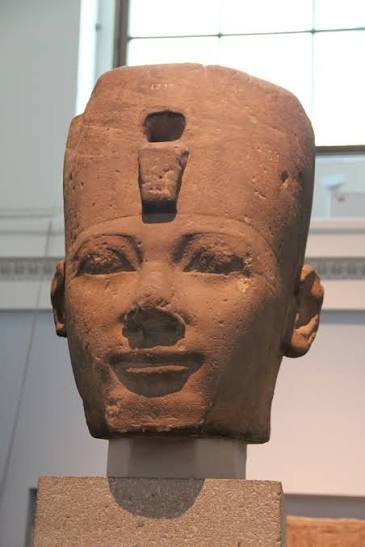
Quick Fact Details
| Fact | Details |
| Name | Thutmose I |
| Dynasty | 18th |
| Reign | About 13 years |
| Predecessor | Amenhotep I |
| Successor | Thutmose II |
| Father | Unknown |
| Mother | Senseneb |
| Wife | Ahmose |
| Children | Thutmose II, Hatshepsut, Amenmose, Wadjmose, and Nefrubity |
Royal Names of Thutmose I
Just like several other pharaohs, he also ruled under several official royal names. His throne name was AaKheperkare, which means “Great is the Manifestation of Ra.” His birth name, Thutmose, means “Born of Thoth,” the Egyptian god of wisdom, writing, and knowledge.
What is Thutmose I Known For?
He is known for expanding Egypt’s border into Nubia and parts of the Near East. Thutmose I’s military achievements helped to increase the wealth and influence of the Egyptians. Apart from his achievements in battle, he also contributed to major construction projects, including Karnak. He is traditionally considered one of the first pharaohs to build a tomb in the Valley of Kings.
Early Life of Thutmose I
He was born into a non-royal family to Senseneb (his mother), and his father is still unknown. Queen Ahmose was his principal wife; many historians mentioned that she is the daughter of Ahmose I, but her relationship remains debated. King Thutmose had three sons named Wadjmose, Thutmose II, and Amenmose, and two daughters, Hatshepsut and Nefrubity.
How Did Thutmose I Become Pharaoh?
Many people often think about how he became Pharaoh, so the path of his journey was completely different from many other royal successions. He became pharaoh after the death of Amenhotep I, who ruled during the 18th dynasty. Now you must think: how is Amenhotep connected to Thutmose? However, Thutmose I was not the direct son of Amenhotep I, but he gained the throne because of his connection to the royal family through his marriage to a queen, Ahmose.
Thutmose I and the Valley of Kings
Many historians believe that he is the traditionally first pharaoh who chose the Valley of Kings as his burial location instead of traditional pyramid tombs. His tomb was designed by the royal Ineni; in his autobiography, he also mentioned that he supervised the excavation of the king’s tomb in complete secrecy. This decision of Thutmose I marked a major change in the burial tradition of Egyptians, as the Valley of Kings became the final resting place of many pharaohs and many famous rulers of Egypt.
Major Military Achievements of Thutmose I
He was one of the early warrior kings of the 18th Dynasty. He shifted his main focus to expanding Egypt’s power and protecting its borders through military campaigns, later becoming pharaoh. He contributed to increasing the influence of Egyptians by launching major military campaigns in Nubia and the Near East.
Campaigns in Nubia
During his reign, Thutmose I led major river campaigns into Nubia (a region south of Egypt); the major reason for this expedition was to secure Egypt’s southern border. His army traveled south along the Nile and defeated groups that resisted Egyptian authority. A royal inscription, the Tombos Stela, records his victory and also describes his expansion into Nubian territory. Later on, this expedition also played a major role in helping Egypt strengthen its economy.
Expansion into Syria and the Near East
King Thutmose I also led campaigns in the Levant (including the areas of modern-day Syria and Palestine), and this campaign helped him enhance his influence beyond his northeastern borders. Many ancient records mentioned that during the expedition, his army reached as far as the Euphrates River (in northern Mesopotamia). This expedition shows the increasing military reach of Egypt and helped to establish a foundation for later pharaohs.
Major Building Projects of Thutmose I
Apart from his major military achievement, he was also known for his contributions to Egyptian architecture. To reflect the power and glory of the Egyptian Empire, he started investing in large construction projects. Karnak Temple Complex in Thebes was one of his major contributions; he expanded the temple by adding columns, new structures, and monuments. These construction projects not only provide insight into his devotion to religion but also into Egypt’s growing wealth and political strength.
How Thutmose I Strengthened Egypt’s Empire
Thutmose I led many expeditions to strengthen Egypt’s empire; apart from this, he also improved control over various territories. He secured the southern borders in Nubia by river expedition, then continued his expedition to Syria, where he marked the Euphrates as his border.
Administration and Governance
Although Thutmose I was known for his military expansion, he also strengthened Egypt’s administration and governance. He appointed trusted officials and military commanders to govern the newly conquered territories, including Nubia and the Near East. This helped to ensure that taxes, tribute, and valuable resources were regularly sent to Egypt.
Legacy of Thutmose I
Thutmose is remembered as one of the greatest pharaohs in Egypt. He expanded Egypt’s borders through successful military campaigns and made the kingdom stronger and richer. He also built important temples, including parts of the Karnak Temple, and is believed to have been the first pharaoh buried in the Valley of the Kings. His daughter, Hatshepsut, and his grandson, Thutmose III, later became famous rulers and continued his legacy.
Death and Burial
Thutmose I died after a reign of approximately thirteen years; after that, he was succeeded by his son Thutmose II. He was originally buried in the Valley of the Kings, although his remains were likely moved during later periods to protect them from tomb robbers, and a mummy believed to be his was found in the Deir el-Bahri royal cache.
Family Influence on Later Pharaohs
Just like Thutmose I, his family also played an important role in the history of Egypt. His son Thutmose II and daughter Hatshepsut became important figures in Egyptian history. His son succeeded him as the pharaoh, whereas his daughter became one of the most successful female rulers in ancient Egypt. She was popularly known for peaceful policies, trade expeditions, and building projects.
Interesting Facts About Thutmose I
- Thutmose I was one of the first Egyptian kings connected with a royal tomb in the Valley of the Kings.
- His daughter Hatshepsut later became one of Egypt’s most famous female pharaohs.
- His military campaigns helped expand Egyptian influence beyond its traditional borders.
- His reign helped prepare the way for the greater imperial expansion of later rulers such as Thutmose III.
Explore the Legacy of Thutmose I Along the Nile.
However, Thutmose I was one of the great pharaohs of Egypt due to his achievements; even today, you can discover his legacy while traveling through Egypt’s historic Nile Valley, including remarkable sites such as the Valley of the Kings. The majority of the temples, monuments, and ancient buildings are located along the Nile River. A journey aboard a dahabiya Nile cruise offers a peaceful and intimate environment to explore these Egyptian wonders, and it will also provide you with the wonderful experience of exploring the temples and stories that have survived for thousands of years. As you sail between Luxor and Aswan and other historic locations with Swan Dahabiya, you can discover remarkable stories like those of pharaohs like Thutmose I.
FAQs
Who was Thutmose I?
Thutmose I was an Egyptian pharaoh, and he ruled Egypt in the 18th dynasty. He is known for his military campaigns, expanding territory, and important building projects.
How did Thutmose become Pharaoh?
After the death of Amenhotep I, Thutmose became the pharaoh. However, he is not the direct son of Amenhotep, but his relations with the royal family through marriage helped him to gain the throne.
Why is the Valley of the Kings important in Thutmose’s history?
The Valley of the Kings is considered important in Thutmose’s history because it is believed that he was the first pharaoh who chose this area as his burial site instead of building a pyramid tomb.
Can I explore the places related to Thutmose I via a Nile cruise?
Yes, you can explore various temples and monuments related to Thutmose I via a Nile cruise while sailing between Aswan and Luxor.
Conclusion
King Thutmose I played an important role in shaping the history of Egypt. Through his military expeditions and architectural achievements, he built a stronger Egyptian empire. His legacy continued through later rulers, including Hatshepsut and Thutmose III. Visitors can still explore these sites along the Nile River. A journey with Swan Dahabiya offers travelers the opportunity to experience Egypt’s temples and monuments that supported one of the greatest civilizations.