


Mysteries of the Valley of the Kings: Treasures, Tombs, and Legends
Table of Contents
-
Introduction
-
List of famous tombs to explore at Valley of Kings, Luxor
-
Ramesses I (KV16)
-
Ramesses IV (KV2)
-
Ramesses III (KV11)
-
Ramesses IX (KV6)
-
Seti I (KV17)
-
Tutankhamun (KV62)
-
Conclusion
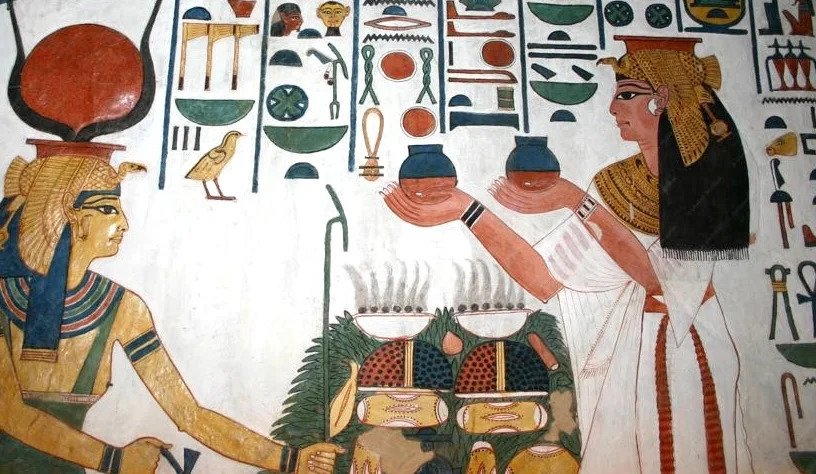
Introduction
The Valley of the Kings is one of the most important archeological sites of Egypt and offers the best insights into the afterlife traditions of the ancient Egyptian civilization. It is a burial place for the royals, which was constructed from 1539 BC to 1075 BC, with most of the New Kingdom pharaohs belonging to the 18th, 19th, and 20th dynasties. The Valley of the Kings is a site located near modern-day Luxor. It is believed that by the New Kingdom, the tradition of making pyramids had shifted towards the royal tombs in the Hills to protect the bodies of the dead and treasure from evil forces and robbers.
During the sailing on the Nile between Aswan and Luxor, the Valley of the Kings is a prominent tourist location, which is explored while on the dahabiya cruise trip. There are fees for the exploration of the Valley of the Kings; in some cases when you take premium packages, the entrance fees are included. In general, sometimes travelers themselves have to buy tickets for exploring tombs of their choice.
On the standard ticket, tourists can explore any three tombs from the burial places of Seti I, Tutankhamun, Ramses V/VI, and others. Here, mentioning the major tombs that one must explore during their Luxor exploration.
List of famous tombs to explore at Valley of Kings, Luxor
Ramesses I (KV16)
The tomb of Pharaoh Ramesses I is one of the most prominent tombs, which is beautifully constructed and has traditional paintings on the walls. It is known for its well-preserved colors; it has a green background and is visited less often. The area of the tomb is around 29 meters, which is a short tomb as compared to others.
In the painting of the burial chambers, gods like Atum and Neith are featured with another major Egyptian deity. Also, the passages from the books of Gates are also represented through paintings in colored hieroglyphics. To reach the tomb, one needs to go through a steep, descending staircase.
Ramesses IV (KV2)
It is one of the must-see tombs in the Valley of the Kings and the most visited tomb
in the valley, as it is relatively straight and one can easily explore it. In the valley it is located near the entry point on the left. The second tomb is of Pharaoh Ramesses IV, and the burial chamber has a large, huge sarcophagus made of granite and is famous for its vivid colors and paintings. Guests on the Dahabiya Nile cruise journey mostly explore during the Luxor visit. The tombs also feature 650 examples of Coptic and Greek graffiti.
Ramesses III (KV11)
It is a long tomb, which is around 180 meters long; it belongs to the 20th dynasty pharaoh Ramesses III. The burial chamber is mostly known as the “Tomb of the Harpists” or “Bruce’s Tomb” because it was discovered by these archaeologists. The walls of the tomb feature murals with religious inscriptions and depictions of scenes from the Book of the Dead, as well as unique scenes of daily life, including bakers, cooks, weapons, and divine objects.
Ramesses IX (KV6)
The tomb is constructed between 1129 BCE and 1111 BCE in the 20th century, the New Kingdom, and has a stunning blue ceiling that is decorated with golden stars. It is a well-preserved burial place; it is around 100 meters long and has a wide descending staircase. The location of the tomb makes it significant, as it is located between Tomb KV5, which is Ramesses II’s son, and Tomb KV55, which belongs to the Pharaoh Akhenaten.
The paintings on the walls depict the scenes from the book of day/night and the book of earth. The astronomical ceiling depicts it in the burial chamber. So, during your journey of the best Dahabiya Nile cruise, ensure you must see the preserved tomb of Ramesses IX.
Seti I (KV17)
It is located on the east part of the Valley of the Kings, Luxor, in Egypt, and is considered the longest tomb, with a length of more than 137 meters. The tomb of pharaoh Seti I is the most beautifully decorated tomb of the New Kingdom, which was discovered by the famous Giovanni Belzoni in 1817 and is known for its exceptional carvings.
The walls of the scenes depict the inscriptions from the Litany of Re, the Amduat, the Book of Gates, and the Ritual of the Opening of the Mouth, which makes it a tourist attraction. It also has an original calcite sarcophagus but later was moved to a museum in London. The ticket to see his tomb is generally expensive, but people with interest in exploring can see it.
Tutankhamun (KV62)
Tutankhamun’s tomb is the only tomb in the whole Valley of the Kings that still has its mummy. It is one of the famous burial places in the Valley of the Kings, as it was the tomb that was found nearly intact with around 5,000 artifacts, which are exhibited at the GEM Grand Egyptian Museum.
In 1922 the tomb was discovered; the unlooted tomb was the remarkable achievement of the archaeologists in Egyptian history. During your Nile River cruise dahabiya journey, do not miss the visit to Tutankhamun’s tomb, as its paintings are well-preserved and offer a unique historical experience to the tourists.
Conclusion
Luxor is a major city that was explored during Swan Dahabiya trips along the river Nile, so while exploring the west bank, ensure you visit all the major tombs and get the real insights about the ancient Egyptian burial practices. The paintings of these royal tombs depict the rich culture and history of the civilization that was once the identity of Egypt.
It is advised for the tourists to select all-inclusive packages, as that can allow them to explore the Valley of the Kings easily. In some well-structured packages, travelers get tour guides and entrance fees covered in the package; you need to ask the booking partner at the time of booking before the trip. Plan better, choose wisely, and witness the beauty of royal tombs where once the great rulers rested.
Other Useful Links
How to Choose the All-Inclusive Egypt Tour Package: 7 Best Tips for Travelers