


Karnak Temple facts, History, & Visiting Tips: Full travel Guide
Table of Contents
-
Introduction
-
World’s Largest Open-Air Museum—Historical Significance
-
6 interesting Facts about the Karnark temple
-
What is the best way to explore the Karnak temple complex?
-
5 Practical Tips to Explore the Karnark temple
-
Best time to visit the Karnark temple complex
-
Final thoughts
Introduction
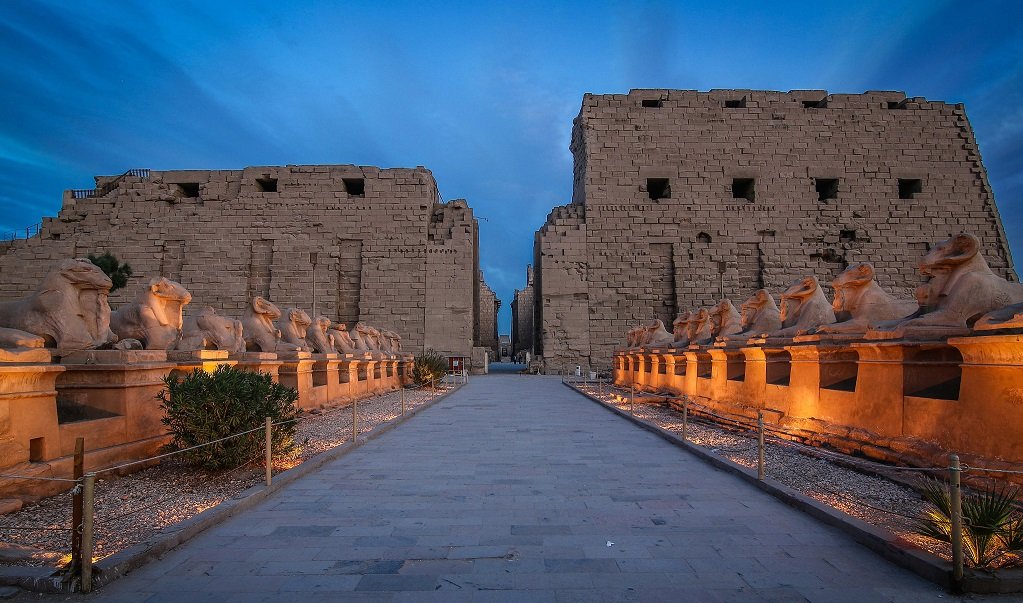
A historical landmark that belongs to the Middle Kingdom of Egypt, the world’s largest open-air museum, the Karnak Temple Complex in Luxor, Egypt, is a promising tourist location that is a must-explore destination. Know here why. Are you curious about hieroglyphics? Want some insight about the golden period of ancient Egyptian history? The answer to all these questions will be found at the Karnak Temple in Luxor.
So, while on your trip to Egypt, ensure you visit two outstanding historical landmarks. Here is presenting you a practical travel guide for the Karnak temple in Egypt; from tips to the best time to go, everything is mentioned below. Follow the expert tips by experienced Egyptologists and make your exploration journey easy.
World’s Largest Open-Air Museum—Historical Significance
The Karnak temple complex was built during the Middle Kingdom and continued building till the Ptolemaic age in Egypt. Construction of the temple starts under the rule of Senusret I around 2000 BC, which then ended around 305-30 BC. Most of the buildings and expansion of the temple were made during the New Kingdom in Egyptian history. The area where the temple was built is known as “Ipet-isut,” which means “The Most Selected of Places.” This place is religiously dedicated to the Theban Triad, and God Amun was head of them.
During the Eighteenth Dynasty, when Thebes (modern-day Luxor) was the capital of ancient unified Egypt, temples saw major expansions and architectural traditions. It is seen through the hieroglyphics that every pharaoh of the dynasty has added anything to the temple; most famously, Thutmose I created an enclosure wall that connects the fourth and fifth pylons.
Then the powerful female pharaoh Hatshepsut also contributed to its construction by restoring the original Precinct of Mut. She also commissioned the twin obelisks, which were the tallest of that time, and one of them is still standing, holding the title of the second-tallest obelisk standing on the earth. Ramesses II, the great pharaoh, added paintings and significant architecture expansions, majorly known for the construction of the great Hypostyle Hall.
With the rise of Christianity in Egypt around 356 AD, Constantius II, a Roman emperor. The Roman Emperor Constantius II ordered the closure of pagan temples, leading to the ruin of the Karnak temple, where Christian churches now stand. A famous example of this transformation is the painting of Coptic culture at the Festival Hall of Thutmose III, which tourists can still see.
So, during your Dahabiya Nile cruise trip, while crossing the east banks of Luxor, ensure you visit the major parts of the Karnak temple complex.
6 interesting Facts about the Karnark temple
- Different dynasties and rulers constructed the temple over a span of 1,500 years, resulting in a multi-dynastic architectural project.
- The most impressive structure is the Great Hypostyle Hall, which contains 134 enormous stone columns arranged in rows, one of the highlights of the karnak temple complex.
- Karnak was connected to another famous temple in Luxor through the Avenue of Sphinxes, a ceremonial road lined with approximately 1,057–1,059 statues. Some are sphinxes, and others are ram-headed sphinxes.
- It is constructed in an estimated area of 247 acres, making it the world’s largest open-air museum dedicated to any civilization.
- More than 30 pharaohs contributed to the construction and expansion of the temple complex. Also, most of the paintings and temple architecture remains intact despite thousands of years of exposure.
- The temple contains sacred lakes, statues of gods, hidden chapels, and smaller sanctuaries dedicated to different Egyptian gods, making it a diverse religious historical landmark of Egyptian civilization.
What is the best way to explore the Karnak temple complex?
The best way to explore the Karnak temple complex in Luxor is by the Dahabiya Nile Cruise Egypt; they have multi-day cruising itineraries. It is also preferred as guests get assistance from experienced tour guides, which is included in the Dahabiya packages. The exploration journey is carried out with comfort, and after sightseeing, the guest can get back to the Dahabiyas’ luxury spaces for relaxation.
5 Practical Tips to Explore the Karnark temple
- Plan the exploration with a certified Egyptologist or tour guide.
- Wear comfortable walking shoes, as exploring includes long walks through Great Hypostyle Hall and sanctuaries.
- Carry a water bottle, a hat, and sunscreen if visiting during the peak day hours.
- Bring your cameras and mobiles to capture the architectural beauty, flashing photography is not allowed, so ensure you click normal pictures.
- Visit the major parts of the complex, temples, halls, chapels, and sanctuaries, to witness the rich culture and heritage of ancient Egypt.
Best time to visit the Karnark temple complex
- The most ideal time to visit the temple is the early morning or late afternoon for comfortable sightseeing.
- If you are traveling from October to April, prefer morning and afternoon timings, as the temperature feels mild.
- In summers, prefer early morning before 12:00 pm or noon or evening timing after 04:00 pm, as daytime feels hotter.
- Take the advice of the tour guide included in your Nile River cruise dahabiya sailing package to enjoy exploration in quieter hours to avoid the rush.
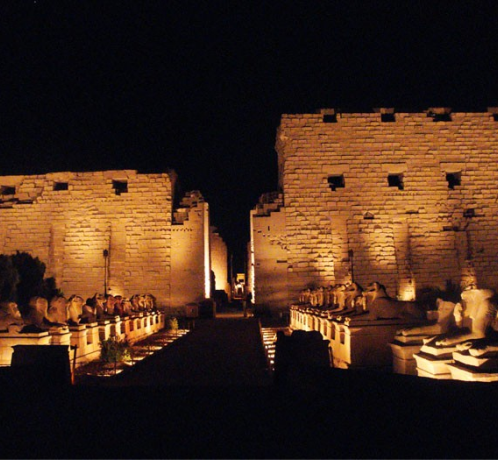
- If you are having a night stay in Luxor, then visit the Luxor Temple in evening timings after sunset to witness the magical light and sound show at the temple complex.
Final thoughts
The Karnak Temple is one of the greatest achievements of ancient architecture in the Egyptian civilization. So, missing it is not on the list while on the trip to Egypt. For that book you preferred a Dahabiya cruise from Luxor and exploring the historical landmarks situated along the Nile, with sailing experiences on the Dahabiya. It is a perfect blend of exploration, relaxation, and enjoyment that you may not get to experience anywhere else in the world.
Other Useful Links
Where can I book a luxurious dahabiya cruise on the Nile with modern comforts?