


Valley of the Kings: Is It Worth Visiting, and Why Is It So Special?
Table of Content
-
Introduction
-
Why is the Valley of the Kings worth visiting?
-
What makes the Valley of Kings special?
-
How many rulers were buried in the Valley of the Kings?
-
Is the Valley of the Kings Older Than the Giza Pyramids?
-
Valley of the Kings—Key Facts
-
Which tombs are best to visit in the Valley of the Kings?
-
What is the best way to reach the Valley of the Kings?
-
Conclusion
Introduction
The Valley of the Kings is a major historical site situated on the west bank of the River Nile in Thebes (present-day Luxor). For centuries, the great rulers have been buried, and their tombs are proof of their existence and bravery. Since the 18th century, the site has been a focus location for Egyptologists and archaeologists as they study the afterlife and burial practices in ancient Egypt.
Most travellers visit the Valley of the Kings while on their Dahabiya Nile cruise trip between Aswan and Luxor. In the West Valley, there are around 60 tombs, in which 120 chambers are created for the sons of Ramesses II. This place is also known as the Valley of the Gates of the Kings, where the last ceremonial activities were performed for the royal kings around 500 years before the 18th dynasty.
The place is used by the new Kingdom (1550-1070 BCE). That time, the city was named Thebes, which is present-day Luxor, a major port for cruises. Let’s get the answers to some commonly asked questions regarding the Valleys of the Kings.
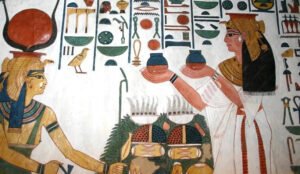
Why is the Valley of the Kings worth visiting?
There are a number of reasons that make it a worthwhile experience for tourists:
- If you want to see real tombs, not the replica ones, then well-preserved tombs can be explored closely.
- The walls of the tombs have original hieroglyphs and ancient colorful art depicting history, making the exploration journey interesting.
- Travellers can walk through the original burial places of the royal pharaohs.
- The site holds a deep cultural and historical understanding; for an explorer or history lover, this place can be worth visiting.
What makes the Valley of Kings special?
The Valley of Kings is the home of the most famous discovery in Egypt, Tutankhamun’s tomb. In 1979, this site was also declared a UNESCO World Heritage Site along with the Theban Necropolis. For new tourists, this site can be fascinating, as the carvings on the walls of the valleys and lights make the historical wonder. It is a top tourist attraction for passengers on Nile River cruise dahabiyas during the Egypt tour.
How many rulers were buried in the Valley of the Kings?
In and around 60 tombs are discovered in the valleys of the kings. Two tombs are studied and explored: one is KV54, and the other is KV5. Other than that, many mummies were moved to the Valley of the Kings to protect them. Originally, kings, royal family members, and some high-ranking nobles were buried in the West Valley.
Is the Valley of the Kings Older Than the Giza Pyramids?
No, pyramids are the oldest historical monuments, dating back to around 2600 BCE. This means the pyramids are over 1,000 years older than the Valley of the Kings. Thebes, modern-day Luxor, flourished more during the New Kingdom, so the Valley of the Kings was built around 1550 BCE. Later on, a number of tombs were moved underground for security purposes. Making the site home to complex beliefs related to the afterlife of the ancient Egyptians.
Valley of the Kings—Key Facts
- Used for about 500 years by the New Kingdom.
- Chosen for the natural pyramid-shaped mountain that makes it unique in its design.
- Tombs were painted to guide the king through the afterlife; in the modern era, they helped Egyptologists understand burial practices and culture.
- Most tombs were robbed in ancient times, as Egypt has suffered invasion at different time periods.
- Tutankhamun’s tomb was one of the most famous tombs, as it is still home to its mummy.
- It’s a UNESCO World Heritage Site, and discoveries are still in process.
Which tombs are best to visit in the Valley of the Kings?
KV62 – Tutankhamun: It is small but extremely famous and also contains his mummy. Most of the travellers visit there.
KV17 – Seti I: One of the most beautiful tombs of the second pharaoh of the 19th dynasty. It has highly detailed carvings and paintings.
KV11 – Ramesses III: He is the second pharaoh of the 20th Dynasty. His tomb has long corridors with colorful wall art depicting the ancient Egyptian culture.
KV14 – Tausret & Setnakht: Tausret is the last female pharaoh of the 20th dynasty. Their tomb is large and one of the best preserved in the valley.
KV9 – Ramesses V & VI: Ramesses VI expanded his tomb with his nephew, making it a unique double tomb. Famous for its astronomical ceiling and wall decorations.
What is the best way to reach the Valley of the Kings?
The best way to reach the Valley of the Kings is by taking a Nile cruise or a luxury Nile dahabiya cruise from Aswan, as then your last location can be Luxor. A 4-day trip on a cruise from Aswan can be an ideal option to explore ancient history while sailing through the longest river, the Nile.
Conclusion
Exploring the historical sites of Egypt can be fun if you do it the right way. So, search and find a travel partner with well-curated itineraries. Get your cruise book from Swan Dahabiya and take up the adventurous shore excursion with the luxury stay at the Best Dahabiya Nile cruise. They also have experienced tour guides who can give you a deeper insight into Egyptian history. Make an Egypt tour more memorable and fascinating by planning it thoughtfully.
Other Useful Links: