


The Nile, the river, played a great role in shaping Egypt then and now. The river flows straight from the center of Egypt, which makes sailing boats an inseparable part of Egyptian culture from ancient times. There are types of sailing boats that move across the region, like the felucca, the luxury dahabiya cruise, and the modernized cruise ship, offering completely different experiences in every mode of exploring the basin of civilization.
From temples situated on riverbanks to 19th-century dahabiyas, felucca rides are a must-try if you are on an Egypt vacation.
Here, many people get confused between felucca and dahabiya rides. Both are traditional ways to cross a river, but modernization has impacted both in different ways. Are you also curious about knowing the sacred feluccas of Egypt? How can you take one during a Dahabiya cruise in Egypt? Get all your answers in this blog.
What is a dahabiya boat?
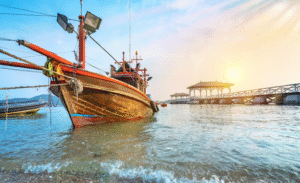
The famous Egyptian golden wooden boats are known as luxurious dahabiyas. Back in time, it was built for the wealthy and explorers. Traditional sailing ships are crafted with details offering comfort and a royal feel. Well, when these dahabiyas are introduced in the contemporary world, they are modified and made more beautiful and convenient for travel.
Nowadays, you can travel in a dahabiya, experiencing all the modern amenities like air-conditioned cabins, gourmet restaurants, and rooftop sundecks. Today, these Dahabiyas offer private or semi-private sailing between popular locations from Aswan to Luxor. It offers a luxurious cruise experience with a minimum of passengers on board.
They are typically larger than the feluccas and offer intimate travel to guests. It offers sightseeing and shore excursions to different sites. They are perfect for those who are seeking a calm, silent, and less chaotic space to explore Egypt. You travel with fewer guests, so you get enough space on sundecks and in restaurants to have a relaxed trip.
What is a felucca in Egypt?
A felucca is a traditional boat made of wood, and the triangular sail is made of white linen cloth, helping it glide smoothly on the Nile currents. In ancient times, they were used for short travel, daily commuting, or fishing. But as Egyptian culture comes to light, these feluccas are now a medium of leisure travel.
The feluccas are smaller in size and lack modern amenities. Some modified feluccas have parallel-running motorboats attached for washrooms. You get cushions and sitting arrangements with curtains to get a royal feel with the touch of ancient Egypt. These rides are generally taken for a day trip or to capture moments during magical sunsets on the River Nile. One can hear the river sound and natural breeze that are missing in large cruise ships.
What is the meaning of felucca?
The term is derived from the Arabic word ‘faluka’ and the Italian word ‘feluca,’ both with the same meaning: a small, single-master sailboat. A felucca has been in existence since the earliest civilization in Egyptian history. During that time, it was a prime mode of transportation across the Nile River.
Later, it is used for trade and leisurely purposes. Today, feluccas have become part of famous itineraries like Aswan to Luxor. Tourists and locals both take these rides for joyful evenings and to witness the serene beauty of sunsets over the horizon.
Here is the key difference between Feluccas and Dahabiyas:
| Features |
Felucca Ride |
Dahabiya Cruise Trip |
Size & Comfort |
Small in size, only 10-15 passengers including the crew. Also have simple designs like a traditional sailboat. | Larger in size, around 20 guests can easily sail and stay. Modern dahabiyas are designed beautifully and give you a luxurious feel. |
Duration |
It is only suitable for sunsets and sightseeing. Lasts only for an hour or two over the River Nile. | It is best for intimate and relaxed travel from Aswan to Luxor and vice versa. The trip lasts 3-4 days if taken as a one-way cruise. |
On-board Experiences |
Feluccas are generally short-span travel, which do not include any meals or modern amenities. More focused on simplicity and traditions | The dahabiyas in Egypt are famous for their on-board facilities and gourmet dining. Experienced chefs prepare traditional Egyptian cuisine, and guests get personalized services. |
Functionalities |
These traditional boats completely depend on winds and offer fully eco-friendly travel. | The Nile dahabiya cruise ships move on modernized silent engines, easing comfort and sailing. |
What makes felucca boats unique?
The factor that sets feluccas apart is the lack of engines and their long, triangular white sail. They are simple, silent, and eco-friendly glides through the river. Wind power makes them a peaceful way for transportation and gives them a truly ancient feel, like you have travelled back in time. It helps you establish a close connection with the Nile waters; you can feel the sail as the momentum of the boat changes. Tourists enjoy taking them during shore excursions or before and after the cruise trips.
Are feluccas still used today?
Yes, feluccas are one of the popular activities being done on the shores of the Nile River. You can take felucca rides in Cairo, Luxor, and Aswan to have a calming evening with a sunset in the middle of the Nile River. While the cruises have taken over longer journeys, feluccas are still an irreplaceable part of Egyptian culture and landscapes.
How to book a Felucca ride?
You can take them at the moment you see them; they are mastered by locals, and you can easily board one. For pre-bookings, you can contact your travel agents like Swan Dahabiya; their team will pre-book a felucca ride with the package. The cost of a felucca is not added in any itinerary; travelers have to pay extra charges for it.
Final Words—Explore Egypt’s Timeless Nile Boats
Be it a dahabiya luxury cruise or a local felucca ride, take up both to bag distinctive experiences. One is about royalty, comfort, and elegance, and the other is about traveling through the lifeline of Egyptian civilization.
Other Useful Links:
What modern amenities are available on luxury dahabiyas in Egypt?